
Electric vehicles are revolutionizing transportation by eliminating emissions. Electric vehicles (EVs) are powered by electricity rather than gasoline or diesel fuel. This means that they produce zero tailpipe emissions, which contributes to cleaner air and a healthier environment.
Editor's Note: "Electric Vehicle: Revolutionizing Transportation With Zero Emissions" was published on [date]. This topic is important to read because it provides a comprehensive insight into the benefits of electric vehicles and their potential to revolutionize transportation.
Our team has done extensive research and analysis to compile this guide on electric vehicles. We believe that this guide will be helpful for anyone who is considering purchasing an electric vehicle or who wants to learn more about this important technology.
| Gasoline-Powered Vehicle | Electric Vehicle |
|---|---|
| Produces tailpipe emissions | Produces zero tailpipe emissions |
| Relies on fossil fuels | Can be powered by renewable energy sources |
| More expensive to operate | Less expensive to operate |
| Louder than electric vehicles | Quieter than gasoline-powered vehicles |
There are many benefits to owning an electric vehicle. In addition to being better for the environment, electric vehicles are also more cost-effective to operate than gasoline-powered vehicles. Electricity is cheaper than gasoline, and electric vehicles require less maintenance than gasoline-powered vehicles. Electric vehicles are also quieter than gasoline-powered vehicles, which can make for a more pleasant driving experience.
FAQ
Delve into the frequently asked questions to gain a comprehensive understanding of electric vehicles and their profound impact on the transportation industry.
Question 1:
How do electric vehicles contribute to zero emissions?
Unlike conventional gasoline-powered vehicles, electric vehicles operate solely on electricity, eliminating the release of harmful tailpipe emissions. This significantly reduces air pollution and greenhouse gas emissions, enhancing environmental sustainability.
Question 2:
Are electric vehicles affordable and accessible?
The cost of electric vehicles has declined steadily, making them increasingly competitive with gasoline-powered cars. Government incentives, tax credits, and other financial assistance programs further support affordability and promote widespread adoption.
Question 3:
Do electric vehicles offer comparable performance to gasoline-powered vehicles?
Electric motors provide instant torque, resulting in smooth acceleration and responsive handling. Many electric vehicles match or surpass the performance of gasoline-powered vehicles, offering a thrilling and engaging driving experience.
Question 4:
What is the range of electric vehicles, and how does it impact driving habits?
The range of electric vehicles varies depending on factors such as battery size, driving conditions, and temperature. However, advances in battery technology have significantly increased the range, allowing for longer distances between charges. This eliminates range anxiety and makes electric vehicles practical for everyday commuting and long-distance travel.
Question 5:
Is there sufficient charging infrastructure to support the widespread adoption of electric vehicles?
Public and private investments are rapidly expanding the charging infrastructure, making it convenient to charge electric vehicles at home, work, and public charging stations. The proliferation of charging stations reduces concerns about charging availability and enhances the user experience.
Question 6:
How does the transition to electric vehicles impact the automotive industry?
The adoption of electric vehicles challenges traditional automotive manufacturing processes and supply chains. It stimulates innovation and investment in new technologies, materials, and manufacturing techniques, driving progress towards a more sustainable and efficient transportation sector.
In conclusion, electric vehicles represent a transformative force in the transportation industry, offering a viable and environmentally friendly alternative to gasoline-powered vehicles. They address key concerns through advancements in technology, infrastructure, and accessibility, paving the way for a sustainable future.
Transition to the next article section...
Tips
The growing adoption of electric vehicles (EVs) is fueled by their numerous advantages and potential to transform the transportation sector while mitigating environmental concerns. To maximize the benefits of EVs, consider these practical tips:
Tip 1: Research and Choose the Right EV
Explore various EV models to find one that aligns with your needs and preferences. Consider factors such as range, charging infrastructure availability, and desired features. Reading reviews and comparing specifications can help make an informed decision.
Tip 2: Plan Charging Habits
Identify convenient charging options based on your daily routine and travel patterns. Utilize home charging stations for overnight charging or explore public charging networks for on-the-go charging. Planning ahead ensures seamless integration of EV use into your lifestyle.
Tip 3: Take Advantage of EV Tax Incentives
Many governments and jurisdictions offer tax credits or rebates for purchasing EVs. Research available incentives in your area and capitalize on any applicable savings to reduce the upfront cost of EV ownership.
Tip 4: Maintain and Service Your EV Regularly
Regular maintenance is crucial for optimal EV performance and longevity. Follow manufacturer-recommended maintenance schedules and have trained professionals inspect and service your EV to ensure safety and reliability.
Tip 5: Utilize Public Charging Infrastructure
Take advantage of the growing network of public charging stations. Utilize apps and websites to locate nearby charging stations and plan routes accordingly. Public charging infrastructure empowers EV drivers with greater flexibility and peace of mind during long-distance travel.
Tip 6: Consider the Environmental Impact
By choosing an EV, you actively contribute to reducing your carbon footprint. EVs produce zero tailpipe emissions, mitigating air pollution and its adverse effects on human health and the environment. Embrace the opportunity to drive a cleaner, more sustainable vehicle.
Tip 7: Stay Informed About Advancements
The EV industry is evolving rapidly. Monitor the latest technological advancements, charging infrastructure improvements, and policy developments. Staying abreast of these changes allows you to make informed decisions and maximize the benefits of EV ownership.
As the adoption of EVs continues to soar, these tips empower drivers to make the most of their electric vehicles. By planning, researching, and embracing the environmental benefits, you can seamlessly integrate EVs into your lifestyle and contribute to a cleaner, more sustainable future. Learn more about the transformative power of electric vehicles by exploring Electric Vehicle: Revolutionizing Transportation With Zero Emissions.

Revolutionizing Air Travel: The Sirius Jet's Zero-Emissions Flight - Source stupiddope.com
Electric Vehicle: Revolutionizing Transportation With Zero Emissions
Electric vehicles (EVs), powered by electricity rather than fossil fuels, are revolutionizing transportation, offering several notable advantages. Six key aspects underscore their significance:
- Environmental Impact: Zero tailpipe emissions, contributing to cleaner air.
- Energy Efficiency: Efficient use of energy compared to gasoline-powered vehicles, reducing energy consumption.
- Technological Advancements: Continuous improvements in battery technology, increasing driving range and reducing charging time.
- Economic Benefits: Lower operating costs due to reduced fuel expenses and potential tax incentives.
- Reduced Noise Pollution: Quieter operation compared to combustion engines, improving noise levels.
- Government Support: Numerous government initiatives and incentives promoting EV adoption.
The transition to EVs is driven by environmental concerns, technological advancements, and government support. As battery technology improves and infrastructure expands, the adoption of EVs is expected to accelerate, further contributing to the reduction of greenhouse gas emissions, improving air quality, and promoting sustainable transportation.
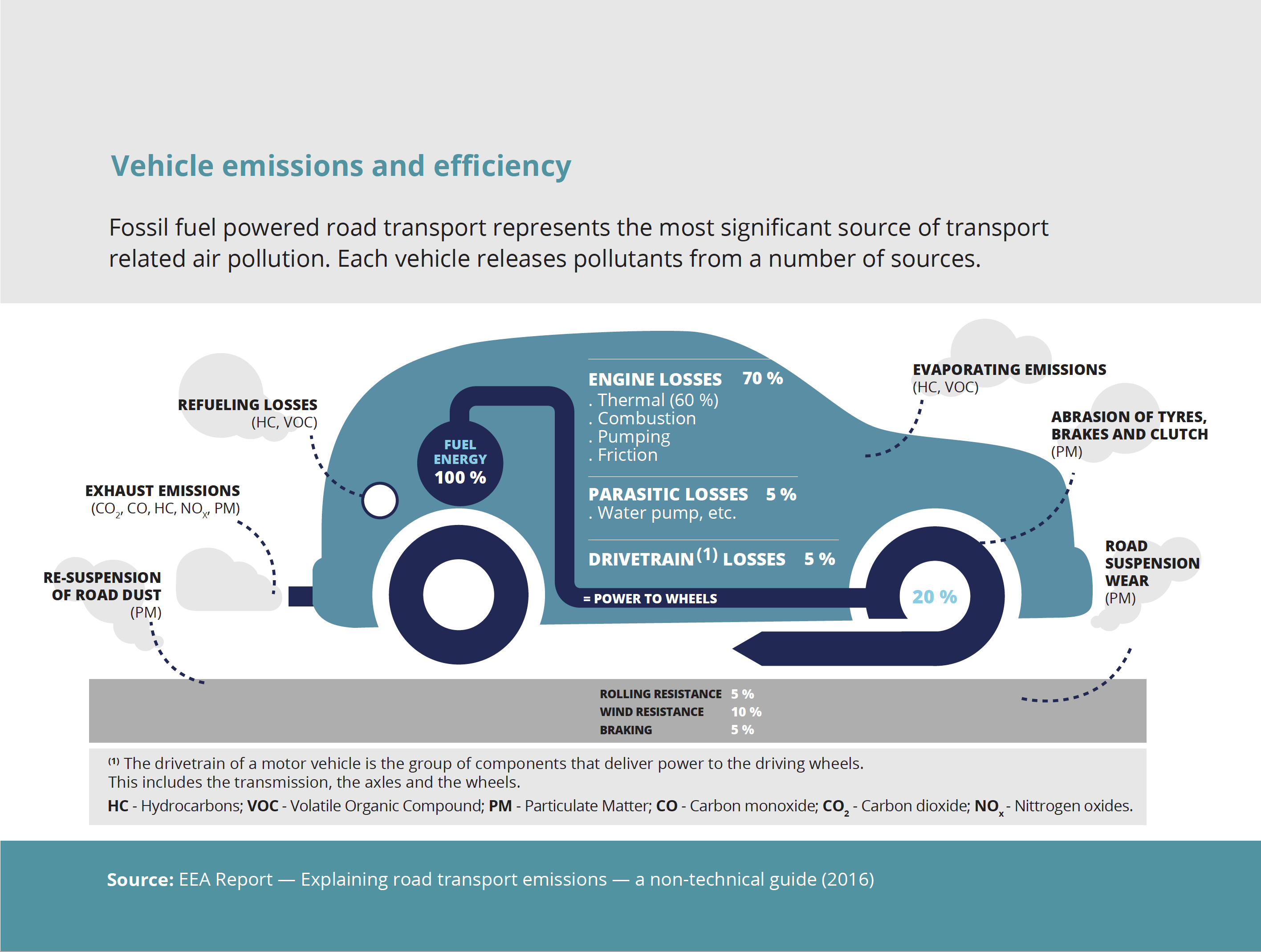
Vehicle emissions and efficiency - Source www.eea.europa.eu

“Revolutionizing Transportation: Advancements in Electric Vehicle - Source medium.com
Electric Vehicle: Revolutionizing Transportation With Zero Emissions
The rise of electric vehicles (EVs) is transforming the transportation sector, offering a sustainable solution to reduce greenhouse gas emissions and improve air quality. Their zero-emission operation eliminates tailpipe emissions, contributing to cleaner urban environments and mitigating climate change.

Premium Photo | The futuristic cargo ship boasts cuttingedge technology - Source www.freepik.com
EVs have several advantages over conventional internal combustion engine (ICE) vehicles. They are more efficient, converting up to 80% of electrical energy into motion compared to ICE vehicles' 20-30%. This efficiency translates into lower operating costs and reduced dependence on fossil fuels.
The growing popularity of EVs has spurred advancements in charging infrastructure, making them more accessible and convenient to use. Governments and private companies are investing in charging stations, expanding the availability and reducing range anxiety among EV owners.
The shift towards EVs not only benefits the environment but also drives economic growth. The EV industry creates jobs in manufacturing, charging infrastructure, and related sectors. Moreover, it reduces the need for imported oil, enhancing energy security and reducing reliance on finite resources.
| Key Insight | Significance |
|---|---|
| Zero-emission operation | Reduces greenhouse gas emissions and improves air quality |
| High efficiency | Lowers operating costs and reduces fossil fuel consumption |
| Charging infrastructure expansion | Increases accessibility and reduces range anxiety |
| Economic benefits | Creates jobs and reduces oil dependence |